Festivals in Kashi: A Spiritual Celebration Throughout the Year
Kashi (Varanasi), the spiritual heart of India, is not just a city—it's an experience. With its sacred Ganga ghats, ancient temples, and divine aura, Kashi comes alive with a vibrant calendar of festivals that reflect its deep cultural and religious heritage. Every month in Varanasi brings something unique—a festival, a ritual, or a celebration that draws pilgrims and travelers from around the globe.
If you're planning a visit to Kashi, aligning your trip with these festivals can give you a truly immersive spiritual experience. Let’s explore the most important festivals celebrated in Kashi throughout the year.
🌟 1. Dev Deepawali – The Festival of Lights on the Ganga
When: 15 days after Diwali (Kartik Purnima)
Where: All major ghats, especially Dashashwamedh Ghat
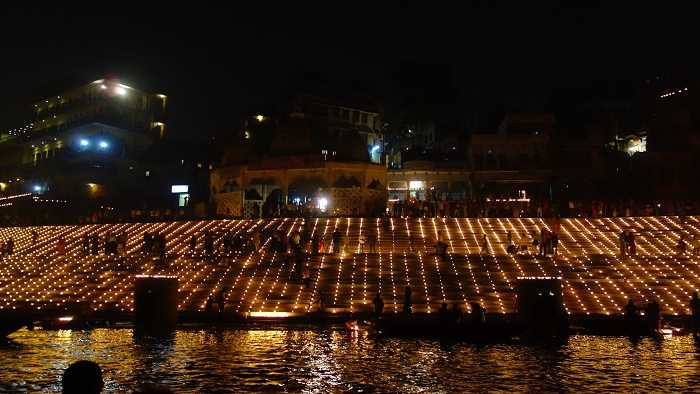
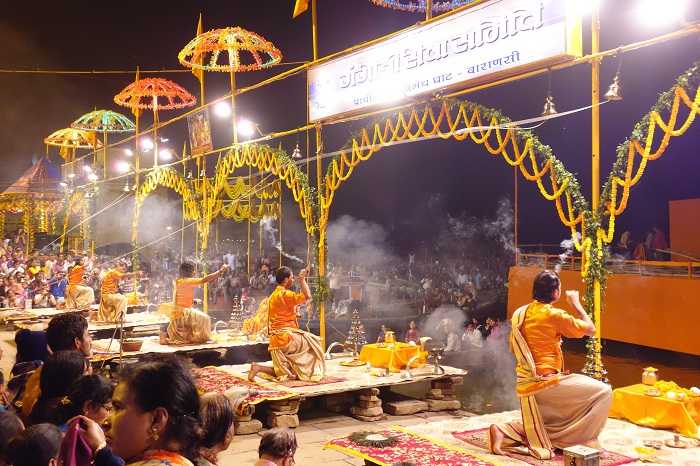
Dev Deepawali, the "Diwali of the Gods", is Varanasi's grandest festival. The entire riverfront is illuminated with over a million diyas, and the Ganga Aarti performed under a moonlit sky is a sight to behold. It marks the victory of Lord Shiva over the demon Tripurasura.
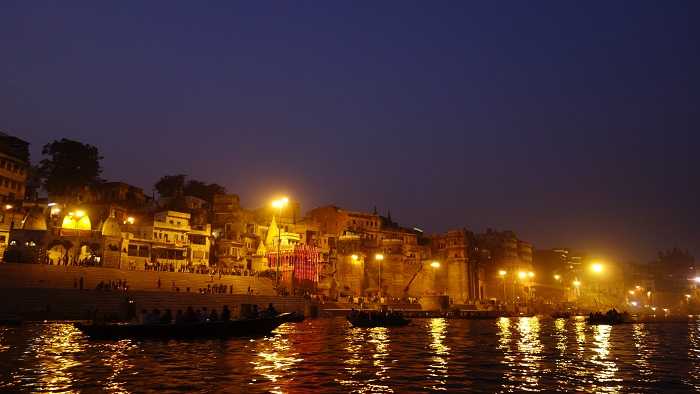
Don’t Miss: Evening boat ride to witness the ghats lit up in golden hues.
🕉️ 2. Maha Shivratri – The Night of the Great Lord
When: February–March (Phalguna month)
Where: Kashi Vishwanath Temple and other Shiva temples
Dedicated to Lord Shiva, this festival is observed with fasting, night-long prayers, and special rituals. Thousands of devotees line up at Kashi Vishwanath Temple to offer milk, bael leaves, and flowers to the Shiva Linga.
Spiritual Tip: Witness the Shiv Barat (Lord Shiva's wedding procession) which is celebrated with great enthusiasm in Kashi.
🎭 3. Ramlila of Ramnagar – A Living Epic
When: During the month of Sharad Navratri (September–October)
Where: Ramnagar Fort
This 31-day theatrical presentation of the Ramayana is world-famous and even recognized by UNESCO. Villagers play roles with incredible devotion, and the entire town transforms into mythological Ayodhya.
Unique Experience: Unlike stage performances, this Ramlila moves with the story across vast fields and locations.
🎨 4. Holi & Masan Holi – A Play of Colors and Ashes
When: March
While Holi is celebrated across India with color, laughter, and joy, Kashi offers a unique version known as Masan Holi, where sadhus and locals play Holi with ash at the cremation ground, symbolizing the victory of life over death.
Why It’s Special: Only in Kashi will you see death and celebration intertwined with deep philosophical meaning.
🎶 5. Dhrupad Mela – Classical Music on the Ghat
When: February
Where: Tulsi Ghat
This 5-day musical event celebrates Dhrupad, one of the oldest forms of Hindustani classical music. Eminent artists from all over India perform live under the open sky beside the Ganges.
Must-Do: Sit by the ghat at night and let the meditative music soak your soul.
🌊 6. Ganga Mahotsav – A Cultural Extravaganza
When: November (concludes with Dev Deepawali)
Where: Riverfront ghats
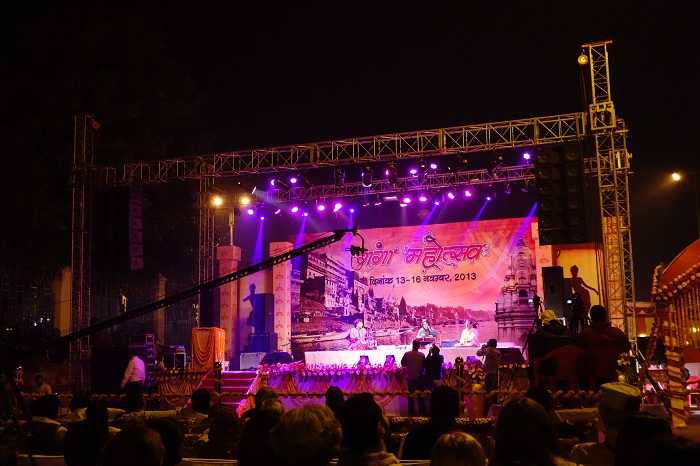
Ganga Mahotsav is a 5-day festival celebrating the spiritual and cultural significance of the Ganges River. Events include folk dance, classical music, boat races, and craft exhibitions.
Perfect For: Travelers seeking a blend of culture, music, and tradition.
🐍 7. Nag Nathaiya – Krishna’s Divine Leela
When: October–November
Where: Tulsi Ghat
This festival reenacts Lord Krishna’s subduing of the serpent Kaliya. A young boy, dressed as Krishna, jumps into the Ganga from a Kadamba tree to recreate the legend.
Highlight: The dramatic performance draws thousands to Tulsi Ghat each year.
🪷 8. Buddha Purnima – The Enlightenment Day
When: April–May
Where: Sarnath (10 km from Varanasi)
This sacred day marks the birth, enlightenment, and death of Lord Buddha. Sarnath, where Buddha gave his first sermon, hosts special prayers, processions, and cultural events.
Recommendation: A day trip to Sarnath from Varanasi is ideal during this time.
🌸 9. Panchkroshi Yatra – The Spiritual Circle
When: Typically in April–May
Where: 80-km pilgrimage around Varanasi
This 5-day pilgrimage covers 108 shrines across a sacred circular route. Devotees walk barefoot and camp on the way, seeking spiritual merit and liberation.
Pilgrimage Note: It’s considered one of the most powerful yatras for moksha seekers.
🌊 10. Ganga Dussehra – Welcoming the Holy River
When: May–June
Where: Ghats of Varanasi
This festival marks the descent of the holy Ganga to Earth. Devotees take holy dips in the river, believing it cleanses ten sins (dasha-hara).
Sacred Ritual: Taking a dip on this day is believed to be equivalent to visiting all the pilgrimages.
Why You Should Visit Kashi During Festival Time
Kashi isn’t just a place you visit—it’s a place you feel. The energy of its festivals, the devotion of its people, and the age-old rituals transport you to a timeless spiritual world. If you want to experience India’s soul, there is no better way than to witness Kashi during one of these divine celebrations.
Plan Your Festival Tour with Shivakashi Travels
At Shivakashi Travels, we offer customized spiritual tours designed around major festivals in Kashi. Whether you're looking for boat rides during Dev Deepawali or a guided Panchkroshi Yatra, we make sure your journey is comfortable, spiritual, and memorable.
Book Now and witness the divine rhythm of life in the sacred city of Kashi!